The moment you give birth, something extraordinary happens: you become a parent. But in that same instant, your body begins one of the most profound healing journeys it will ever undertake.
The first six weeks after birth, often called the “fourth trimester,” are a time of intense physical recovery, hormonal shifts, emotional adjustment, and relentless sleep deprivation. Yet despite how transformative and demanding this period is, postpartum care in our culture is woefully inadequate. You’re expected to “bounce back,” manage sleepless nights, navigate feeding challenges, and care for a newborn, all while your body is healing from the equivalent of a major medical event.
I see this pattern over and over in my practice. New parents come in exhausted, overwhelmed, and barely holding it together. They’re bleeding, their breasts hurt, they haven’t slept more than two hours at a time in weeks, and they feel guilty for not being happier. Because aren’t they supposed to be glowing with joy?
The truth is, the fourth trimester is hard. It’s sacred and beautiful, yes, but it’s also physically and emotionally brutal in ways our culture refuses to acknowledge. I believe this period deserves as much care and support as pregnancy itself. Whether you visit me in Hudson, NY, New York City, or connect virtually, I’m here to help you heal, replenish, and find your footing during this exhausting, transformative time.
What’s Actually Happening to Your Body
The fourth trimester, the first 12 weeks postpartum, is when your body is doing some truly remarkable things. Your uterus is shrinking back from the size of a watermelon to the size of a pear. Your hormone levels are crashing (estrogen and progesterone drop dramatically within days). If you’re breastfeeding, prolactin and oxytocin are surging. Your pelvic floor, abdominal muscles, and connective tissue are trying to heal. You’re bleeding as your uterine lining sheds. And your metabolism, thyroid, and nervous system are recalibrating.
In Traditional Chinese Medicine, the postpartum period is seen as a critical window for replenishing blood and Qi (vital energy) that were depleted during pregnancy and birth. When you prioritize rest, warmth, and nourishment, you set the foundation for long-term health. When you push through exhaustion and ignore your body’s needs because you feel like you should be able to handle it, you risk chronic depletion, mood disorders, and lingering physical problems.
Let’s Talk About What’s Actually Normal
Postpartum bleeding (lochia) is normal and can last four to six weeks. It starts heavy and red, then gradually lightens to pink, brown, and eventually clear. Cramping is normal, especially while breastfeeding, as your uterus contracts back down.
But here’s what’s not normal and requires medical attention: soaking through a pad in an hour, passing large clots, foul-smelling discharge, or severe pain. These could indicate infection or retained tissue.
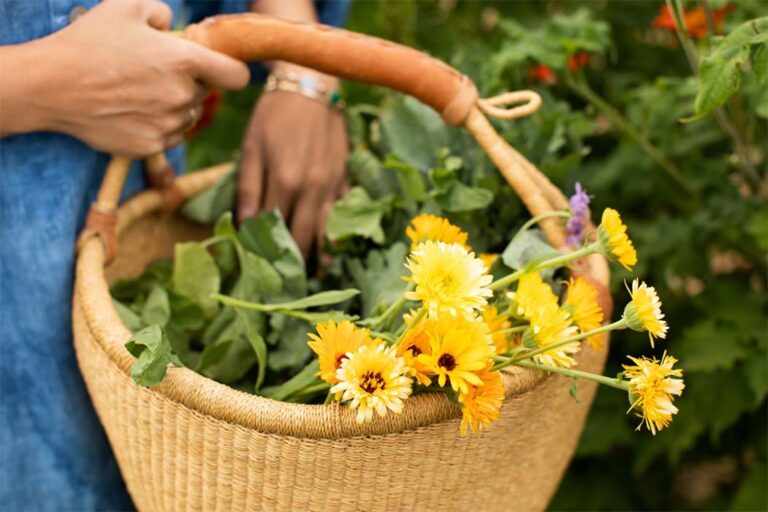
Your pelvic floor has been through a lot, whether you had a vaginal birth or C-section. Perineal tearing or episiotomy stitches take two to four weeks to heal. You might feel sore, swollen, or nervous about having a bowel movement. This is all normal, but it’s not something you have to just endure. Acupuncture can reduce inflammation and support tissue repair. Sitz baths with healing herbs can speed recovery. I designed a postpartum herb bundle that will come in handy.
If you had a C-section, remember that you had major abdominal surgery. Your incision takes six to eight weeks to heal externally and months to heal internally. Once your incision is healed, acupuncture can improve circulation to the scar tissue, reduce adhesions, and support deeper internal healing.
The Emotional Rollercoaster Nobody Warns You About
Let’s talk about the baby blues, because about 80% of new parents experience them in the first two weeks. Mood swings, crying spells, anxiety, and feeling overwhelmed are caused by the dramatic hormone drop after birth and usually resolve on their own.
But postpartum depression and anxiety are different. Postpartum depression affects one in seven new parents and can develop anytime in the first year. Symptoms include persistent sadness, hopelessness, difficulty bonding with your baby, intrusive thoughts, panic attacks, and loss of interest in things you used to enjoy.
Postpartum anxiety is just as common and might show up as constant worry, racing thoughts, difficulty sleeping even when the baby sleeps, or physical symptoms like rapid heartbeat.
If this sounds like you, please hear me: this is not your fault, and it doesn’t mean you’re failing as a parent. Acupuncture can help regulate mood by supporting neurotransmitter balance and calming your nervous system. But PPD and PPA require comprehensive support such as therapy, community, and sometimes medication. Acupuncture is an excellent complement to mental health care, not a replacement.
And then there’s postpartum rage, which nobody talks about but is incredibly common. Sudden, intense anger, often triggered by small frustrations, is usually linked to sleep deprivation, hormonal shifts, and feeling unsupported. In TCM terms, this is Liver Qi stagnation, and acupuncture can help regulate those emotional responses.
The Three Things Your Body Actually Needs
In Traditional Chinese Medicine, postpartum recovery rests on three foundations: rest, warmth, and nourishing food.
Rest means your only job right now is to heal and feed your baby. Everything else can wait. Sleep when the baby sleeps (and I mean actually sleep, not scroll your phone or do laundry). Accept help with meals and childcare. Say no to visitors who drain your energy.
Warmth is crucial in TCM. Keep your abdomen and lower back covered. Avoid cold foods, iced drinks, and cold environments. Take warm baths. Use heating pads. Dress warmly, even in summer. In TCM, “cold” can enter the body postpartum and lead to long-term joint pain, digestive issues, and hormonal imbalances.
Nourishing food means warm, easily digestible meals: bone broth, soups, stews, congee, cooked vegetables, healthy fats, and protein. Avoid raw salads, cold smoothies, and processed foods. Your body needs nutrient-dense meals to replenish blood and Qi.
When to Actually Ask for Help
You don’t have to wait until things are “bad enough” to ask for help. Reach out if you’re experiencing persistent pain or bleeding beyond six weeks, signs of infection, difficulty bonding with your baby, thoughts of harming yourself or your baby, overwhelming anxiety or depression, extreme fatigue that doesn’t improve with rest, difficulty breastfeeding, or pelvic floor dysfunction.
How Acupuncture Supports Recovery
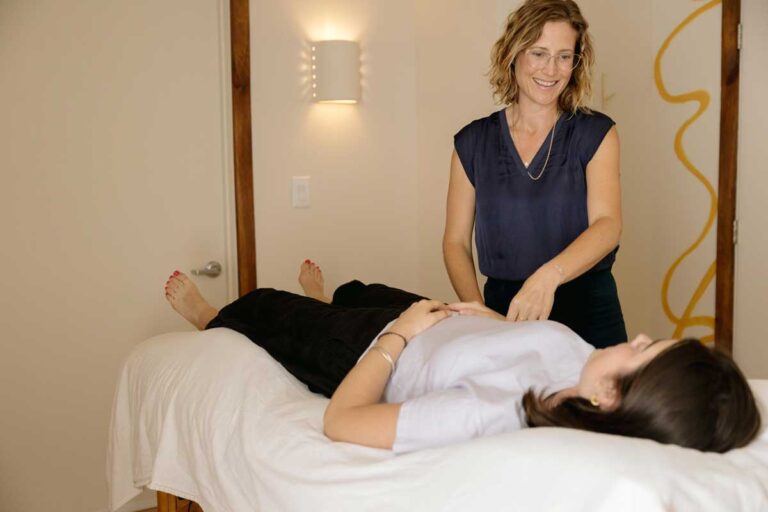
Many clients begin acupuncture within the first week postpartum. If you had a C-section, wait until your incision has healed. Acupuncture speeds physical healing by improving circulation, supports lactation by promoting milk production and relieving engorgement, regulates hormones to stabilize mood and energy, calms the nervous system to reduce anxiety, relieves pain, supports digestion, and replenishes blood and Qi to restore vitality.
My Postpartum Herb Bundle comes with bone broth herbs, nourishing tea, milk support tea, healing herb bath, and a belly oil. It’s all safe for breastfeeding and crafted from organically grown herbs.
You’re Not Supposed to Do This Alone
The fourth trimester is sacred, but it’s also hard. In many cultures, new parents are surrounded by family, fed nourishing meals, relieved of all responsibilities, and given space to rest and bond. If you don’t have that support, I can help.
Schedule your postpartum consultation today. I serve clients in Hudson, NY, New York City, and virtually nationwide. You deserve care that honors the complexity of this transition and meets you exactly where you are.